

Experience the Astonishing Benefits of Solar Energy
Experience the Astonishing Benefits of Solar Energy
By Melissa C, Sunwave Energy
As energy costs climb and environmental concerns persist, solar energy is an increasingly practical option for households and businesses. Solar systems convert sunlight into clean, renewable electricity, reducing reliance on fossil fuels and delivering measurable long-term cost savings. This article reviews the benefits of solar energy, typical installation costs, and available financial incentives to help homeowners and businesses evaluate the opportunity with confidence. If you are specifically looking for solar panels in Orlando, this article will also provide relevant insights tailored to that region.
Benefits of Solar Energy
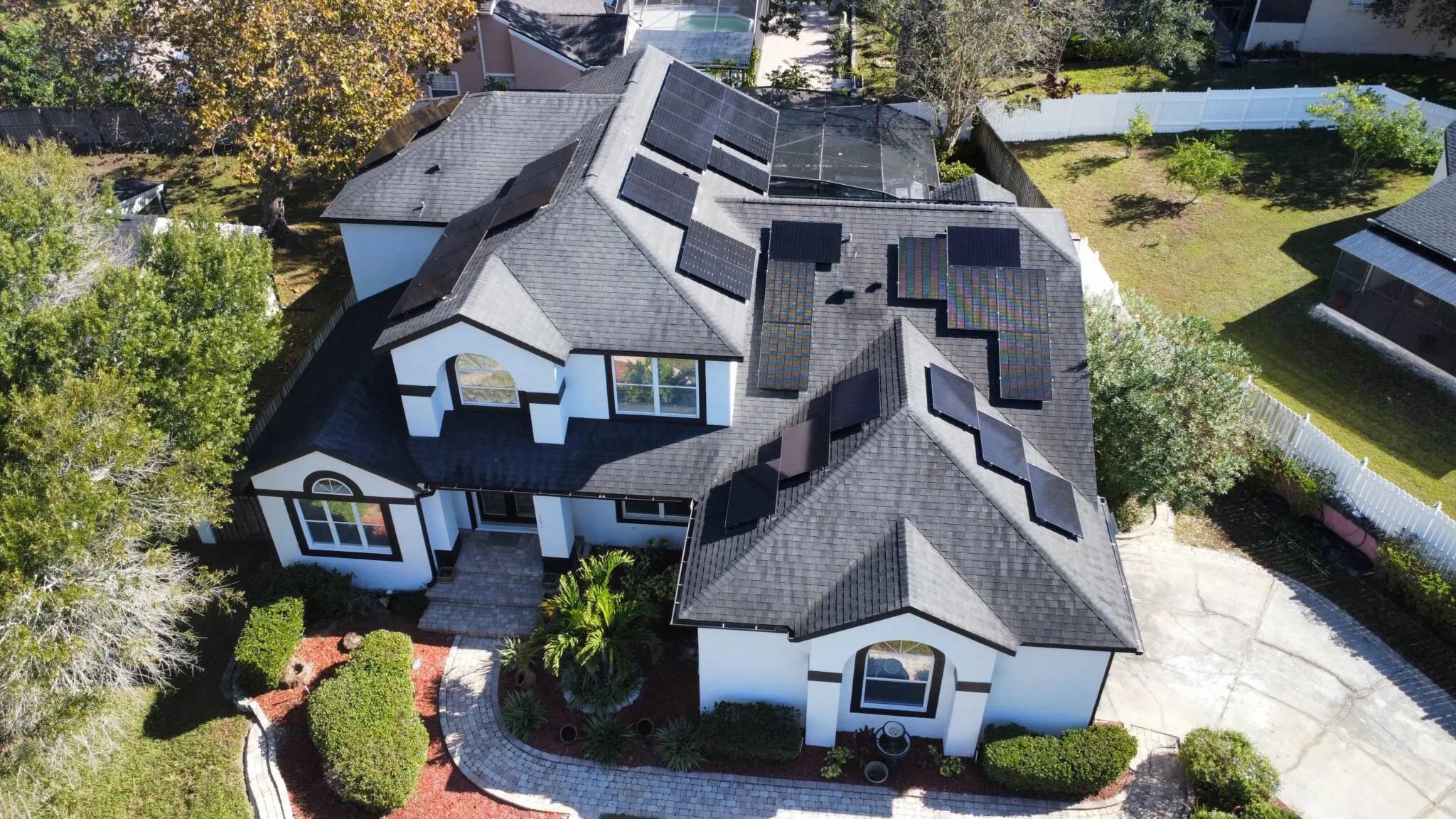
Solar energy offers several advantages for homeowners and businesses: lower electricity expenses, reduced carbon emissions, and increased property value. These benefits support both financial goals and sustainability objectives.
- Cost Savings: Solar energy systems can substantially decrease electricity bills. Homeowners can save an average of $100 to $150 each month, and businesses may see even higher savings depending on their energy use. In Orlando, where sunlight is abundant year-round, solar panels can maximize these savings effectively.
- Environmental Impact: Switching to solar reduces reliance on fossil fuels and cuts carbon emissions. For example, an average residential solar installation can lower CO₂ emissions by roughly 3 to 5 tons per year. Orlando residents benefit from a high solar insolation rate, enhancing environmental advantages.
- Increased Property Value: Properties with solar panels often command higher resale values. Studies indicate homes with solar installations can increase in value by about 4–6%. In Orlando’s competitive real estate market, green energy features like solar panels are increasingly attractive.
The combination of financial return and environmental benefit makes solar an attractive option for many property owners. The next section explains how these advantages apply specifically to homeowners.
What Are the Key Benefits of Residential Solar Energy for Homeowners?
Residential solar delivers financial relief and environmental benefit. On average, homeowners can reduce electricity costs by roughly $1,500 per year after installing a solar system. Homes with solar installations also tend to appreciate in value, as buyers recognise the appeal of lower utility costs and greater energy independence. Investing in solar supports savings while contributing to long-term sustainability. For those considering solar panels in Orlando, these benefits are optimized due to the region’s favorable climate and incentives.
In What Ways Does Residential Solar Enhance Energy Independence?
Solar energy reduces dependence on the grid by enabling homeowners to generate their own electricity. This provides protection against rising utility rates and more predictable energy expenses. By producing on-site power, homeowners gain control over consumption and achieve greater stability in their household energy supply. Orlando residents benefit from consistent sunlight, which enhances energy independence.
Installation Costs
Understanding installation costs is essential when considering solar. Residential systems typically range from $15,000 to $30,000 before incentives, with variation driven by system size, equipment choices, and site conditions. Costs for solar panels in Orlando may vary slightly due to regional labor costs and market competition.
Costs depend on system capacity and local factors. Despite the initial investment, many homeowners find that energy bill reductions and available incentives justify the expenditure over time.
Financial Incentives

A range of financial incentives helps offset installation costs. The Federal Investment Tax Credit (ITC) currently allows homeowners to deduct 30% of qualifying solar expenses from federal taxes. Many states and localities, including Florida and Orlando-specific programs, offer rebates that further reduce net cost.
- Federal Tax Credit: Homeowners can qualify for a 30% tax credit on the total cost of their solar installation, significantly lowering upfront expenses.
- State Rebates: Florida provides incentives and rebates that can further reduce initial installation costs for solar panels in Orlando.
- Financing Options: Various financing plans are available, including solar loans and leases, allowing homeowners to go solar with little to no upfront cost.
These incentives strengthen the financial case for solar and make systems more accessible to a wider range of homeowners.
What Should Clients Expect in Installation Pricing and Return on Investment?
Clients should anticipate variation in upfront costs based on system size, equipment selection, and local market conditions. Typical payback periods range from five to ten years, driven by electricity bill savings, tax incentives, and potential increases in utility rates. Evaluating these variables helps homeowners estimate return on investment and long-term financial benefit. In Orlando, the consistency of sunlight improves the return on investment timeline.
How Do Solar Power System Reviews Validate the Effectiveness and Reliability of Solar Energy?
Independent reviews and studies show that solar systems can provide consistent long-term savings. Homeowners commonly report satisfaction with reduced energy bills and steady energy production across seasons. Third-party evaluations also confirm the reliability of modern solar technology, which supports informed decision making.
How Do Independent Reviews Highlight Long-Term Solar Savings and Performance?
Independent assessments indicate that well-installed systems can maintain performance for decades, often exceeding a 25-year service life. These reports show sustained efficiency and cumulative savings over the system lifetime, reinforcing solar as a prudent investment for cost-conscious and environmentally responsible consumers.
For inquiries or to begin the transition to solar panels in Orlando or elsewhere, contact Sunwave Energy USA.
Frequently Asked Questions
1. How can solar energy impact my home’s energy efficiency?
Solar energy improves a home’s energy efficiency by supplying renewable on-site electricity and reducing reliance on grid-supplied power. Solar panels generate power during daylight hours, and integrated storage systems allow homeowners to use stored energy during peak periods. These measures reduce energy waste and lower utility expenses while supporting a more efficient household energy profile.
2. What types of solar technologies are available for residential use?
Residential options include photovoltaic (PV) systems, concentrating solar power (CSP), and solar thermal systems. PV systems, the most common choice, convert sunlight directly into electricity. CSP systems concentrate sunlight to produce heat for power generation, and solar thermal systems heat water for domestic use. Each technology presents specific benefits depending on household needs and site conditions.
3. Are there any long-term maintenance costs for solar energy systems?
Solar systems generally require limited maintenance, but some ongoing costs should be anticipated. Regular panel cleaning preserves efficiency, particularly in dusty environments. Inverters typically require replacement every five to ten years. Manufacturer warranties and service agreements can mitigate many maintenance expenses and support predictable total cost of ownership.
4. How do solar batteries work, and should I consider one?
Solar batteries store excess energy produced by panels for use during non-sunny periods or grid outages. They enhance energy independence and can lower bills by shifting consumption away from peak-rate periods. When evaluating batteries, consider your consumption profile, panel output, and the battery’s cost relative to expected savings to determine suitability.
5. What is net metering, and how can it benefit me?
Net metering credits homeowners for surplus electricity exported to the grid, offsetting future energy charges and lowering net bills. This mechanism can substantially improve the economics of a solar installation. Net metering rules vary by state, so review local policies to understand potential crediting and compensation.
6. Can solar energy systems work in cloudy regions?
Solar panels generate electricity from diffused sunlight and can be effective in cloudy regions. Output is lower than on sunny days, but systems still produce meaningful energy and deliver bill savings. Many installations in less sunny climates provide reliable performance and measurable reductions in energy costs.
7. How can I evaluate different solar installation companies?
Assess providers by verifying certifications and licences, reviewing customer testimonials, and comparing multiple quotes for price, equipment, and warranty terms. Confirm the company’s post-installation support and service offerings, as ongoing maintenance and responsiveness are essential for sustained system performance.