

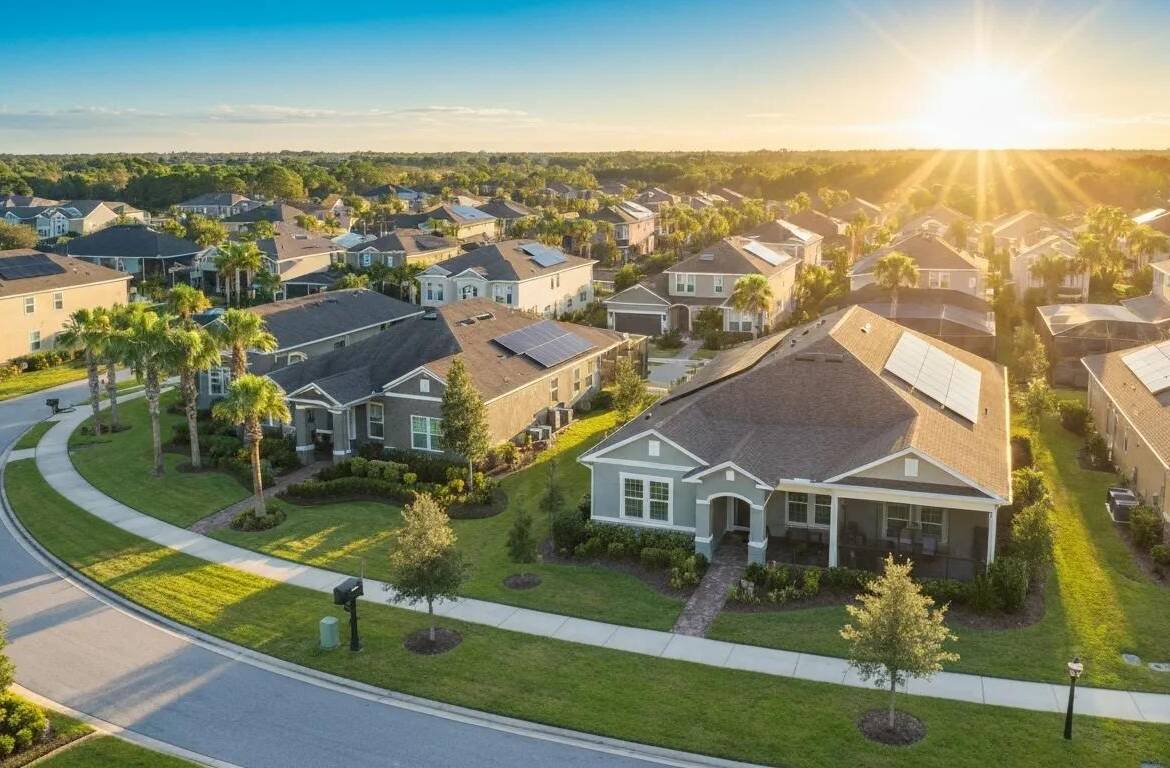
Residential Solar Solutions in Orlando: What Homeowners Need to Know to Save and Invest Wisely
Orlando homeowners face electric bills averaging 13 percent above the national average, creating an urgent need for affordable, sustainable energy solutions. Residential solar solutions in Orlando convert abundant sunlight into electricity, reducing utility costs, increasing property values, and enhancing energy independence. In this guide, you will discover the key benefits of solar panels, detailed cost and financing insights, the step-by-step installation process, top solar technologies and battery options, local incentives and net metering policies, the unique advantages of choosing Sunwave Energy USA, and answers to the most common homeowner questions. By exploring each aspect, you’ll gain the confidence to invest wisely in Orlando’s residential solar market and secure long-term savings and environmental returns.
What Are the Key Benefits of Residential Solar Solutions in Orlando?
Residential solar solutions in Orlando deliver cost savings, property value growth, environmental impact reduction, and enhanced energy resilience by harnessing solar energy to power homes directly. These benefits combine to offer homeowners financial control and long-term security.
Orlando homeowners can enjoy four primary advantages:
- Lower Electricity Bills through on-site power generation and reduced grid dependence
- Increased Home Value driven by energy efficiency ratings and market appeal
- Environmental Benefits including lower carbon footprint and reduced emissions
- Energy Independence supported by on-site generation and grid interconnection
Each of these benefits builds toward a sustainable investment that aligns with Orlando’s solar potential and homeowner priorities.
How Can Solar Panels Lower Your Electricity Bills in Orlando?
Solar panels generate electricity by converting sunlight into DC power through photovoltaic cells, then inverters turn it into usable AC power for your home. This mechanism reduces monthly purchases of grid electricity, delivering immediate cost relief. For example, a typical 6 kW system can offset up to 70 percent of annual consumption in Orlando’s climate.
Key bill-reduction drivers include:
- Distributed generation that supplies daytime loads directly
- Net metering credits for excess production exported to the grid
- Demand charge mitigation on time-of-use rate plans
By integrating a properly sized solar array, homeowners can lock in lower energy costs and hedge against future utility rate increases, setting the stage for improved property value.
In What Ways Do Solar Panels Increase Orlando Home Values?

Solar panels increase Orlando home values by enhancing the property’s energy performance certificate and creating market differentiation. Appraisers recognize photovoltaic systems as capital improvements, adding approximately 4 percent to home sale prices in similar climates.
Solar Panel Impact on Home Value
Studies show that homes with solar panel systems often experience an increase in property value, with some reports indicating an average increase of approximately 4% in similar climates. This increase is attributed to the enhanced energy efficiency and appeal to environmentally conscious buyers.
This research supports the article’s claim that solar panels can increase home values in Orlando.
Key value-enhancement factors include:
- Energy Efficiency Rating Improvements that appeal to eco-conscious buyers
- Lower Operating Costs which factor into mortgage underwriting
- Enhanced Curb Appeal from modern solar installations
These factors combine to boost resale potential and reinforce why solar investment aligns with both financial and market trends in Orlando’s residential sector.
What Environmental Benefits Does Solar Energy Provide in Orlando?
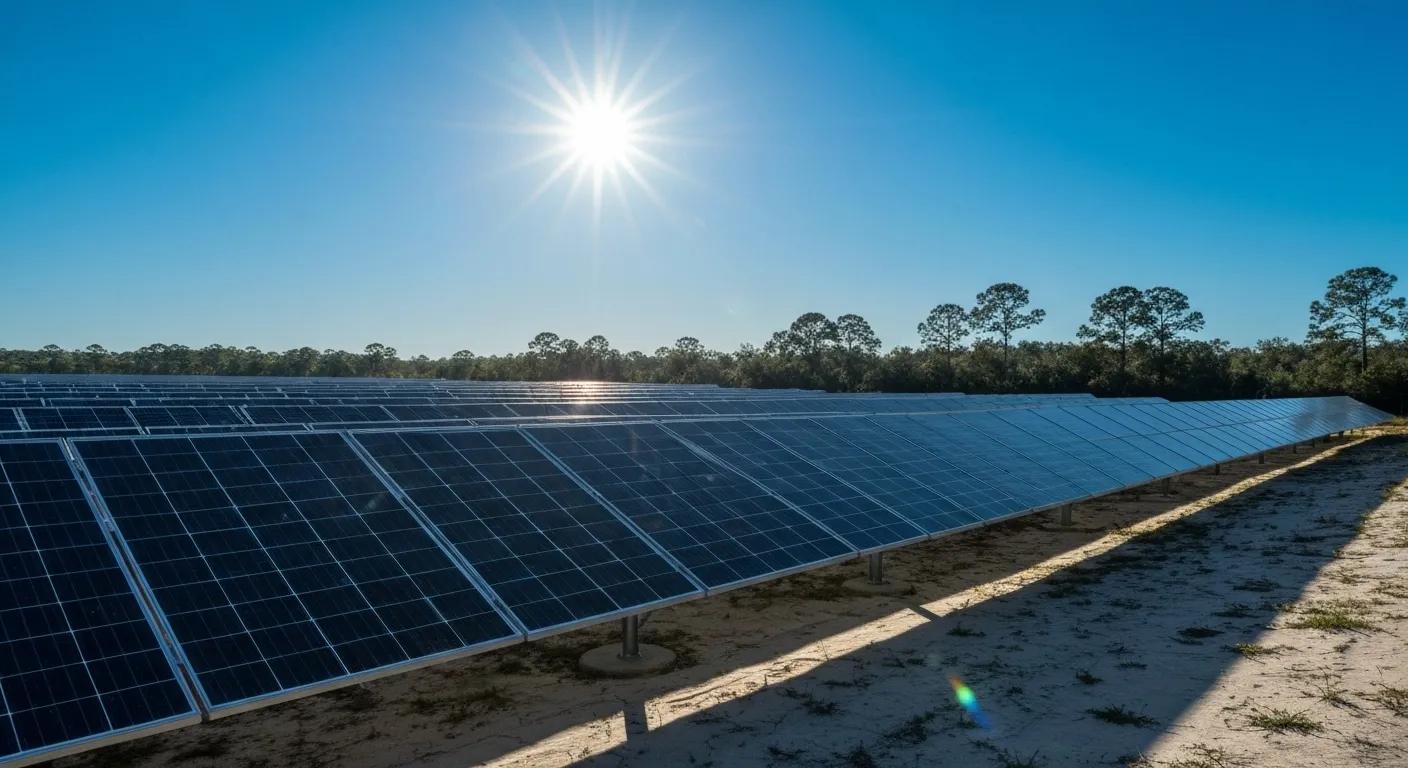
Solar energy reduces greenhouse gas emissions by displacing electricity generated from fossil-fuel power plants. A 5 kW system in Orlando can prevent up to 6 tons of CO₂ emissions annually, promoting cleaner air and community health.
Environmental Benefits of Solar Energy
Solar energy significantly reduces greenhouse gas emissions by displacing electricity generated from fossil fuels. A 5 kW system in Orlando can prevent up to 6 tons of CO₂ emissions annually, contributing to cleaner air and community health.
This citation provides supporting evidence for the environmental advantages of using solar energy, as discussed in the article.
Primary environmental impacts include:
- Carbon Footprint Reduction through renewable on-site generation
- Air Quality Improvement by lowering local pollutant levels
- Resource Conservation via decreased water and fuel usage
These ecological advantages complement the financial rewards and support Orlando’s transition to a more resilient energy ecosystem.
How Does Solar Energy Enhance Energy Independence and Grid Resilience in Orlando?
Solar installations paired with smart inverters and energy storage allow homeowners to rely less on centralized grids, improving resilience during outages. By generating and storing power on-site, residents secure continuous electricity for critical loads when the grid falters.
- Islanding capability that isolates critical circuits during outages
- Backup power support from battery systems like Tesla Powerwall
- Demand management via real-time energy monitoring
Achieving on-site generation and storage strengths household reliability and contributes to broader grid stability across Orlando’s network.
How Much Do Residential Solar Panels Cost in Orlando, Florida?
Orlando solar panel pricing varies by system size, equipment quality, and installation complexity. After applying federal and state incentives, most homeowners pay between $2.70 and $3.00 per watt installed, with an average 6 kW system costing around $10,200.
Below is a comparison of common system sizes and their approximate after-incentive costs:
What Is the Average Price for a Solar Panel System in Orlando?
A typical 6 kW solar panel system in Orlando averages $10,200 after federal tax credits and state exemptions. This price reflects installation of monocrystalline panels, standard microinverters, and basic roof mounting hardware.
How Do Federal and Florida Solar Incentives Reduce Your Solar Costs?
- Federal Investment Tax Credit (ITC) provides a 30 percent credit on system cost
- Florida sales tax exemption removes 6 percent state tax on solar equipment
- Florida property tax exemption prevents home tax assessments from including system value
Applying these incentives together can reduce the net cost by up to 36 percent, making solar more accessible.
What Financing Options Are Available for Orlando Homeowners?
- Solar Loans with competitive interest rates and fixed payments
- Power Purchase Agreements (PPAs) that require no system purchase, paying per kWh produced
- Leases offering set monthly payments and potential performance guarantees
- Zero-Down Programs that combine incentives into the financing structure
Selecting the right option aligns cash flow with solar savings and supports faster return on investment.
How Long Is the Typical Solar Payback Period in Orlando?
The average payback period in Orlando ranges from 6 to 8 years, depending on energy consumption, system output, and financing structure. Key influencers include:
- Utility rate inflation rate
- System efficiency and degradation rate
- Local weather patterns affecting production
Achieving a shorter payback horizon sets the foundation for decades of net savings.
What Is the Step-by-Step Process for Installing Solar Panels on Your Orlando Home?
Installing solar panels in Orlando follows a structured journey from initial consultation to final commissioning. Homeowners benefit from transparent progress tracking and professional oversight at each stage.
The core five-step process includes:
- Site Assessment: Roof inspection and solar potential analysis
- Design & Permitting: System engineering and local permit procurement
- Procurement & Logistics: Equipment ordering and shipment coordination
- Installation: Panel mounting, electrical connections, inverter setup
- Commissioning & Inspection: Utility interconnection and final quality checks
How Does the Roof Assessment Determine Solar Suitability in Orlando?
Roof assessment evaluates orientation, tilt, shading, and structural integrity to verify system performance and safety. Solar professionals measure roof pitch, inspect joist strength, and identify any shading from trees or nearby structures. This evaluation determines panel layout and energy yield projections.
What Permits and Utility Interconnection Steps Are Required in Orlando?
Securing city and county permits involves submitting engineered drawings and structural calculations to Orlando’s building department. After permit approval, interconnection applications with Orlando Utilities Commission (OUC) ensure compliance with grid standards. OUC then reviews safety protocols and authorizes net-metering agreements.
How Does Sunwave Energy’s Seamless Installation Process Work?
Sunwave Energy USA handles every detail from initial consultation to final activation. Their all-in-one process includes:
- Comprehensive site survey and custom system design
- Permit application and expedited approval management
- Skilled installation by licensed rooftop and electrical technicians
- Coordination with OUC for timely grid interconnection
What Should You Expect During Solar Panel Activation and Inspection?
Once panels and inverters are installed, a final inspection by local authorities validates structural and electrical safety. After passing inspection, OUC installs a bi-directional meter, enabling net metering and initiating energy production tracking. Homeowners then begin realizing bill credits and performance monitoring.
Which Solar Technologies and Battery Storage Solutions Are Best for Orlando Homes?
Orlando’s solar market benefits from high-efficiency panels and robust energy storage systems that optimize performance under intense sunlight and afternoon storms. Matching technology to climate ensures reliable generation and backup power.
What Types of Solar Panels Are Ideal for Orlando’s Climate?
Monocrystalline and polycrystalline panels perform well in Orlando’s heat and humidity. Monocrystalline panels offer higher efficiency and better temperature coefficients, while polycrystalline panels provide cost advantages.
How Do Solar Battery Backup Systems Like Tesla Powerwall and Enphase Work in Orlando?
Tesla Powerwall and Enphase IQ Batteries store excess solar generation during daylight and dispatch it during peak demand or outages. Advanced battery management systems regulate charging cycles, depth of discharge, and thermal controls to maximize lifespan and safety.
Key storage features include:
- Automated self-consumption that prioritizes on-site power use
- Scheduled backup modes for critical circuits during grid failures
- Remote monitoring of state of charge and health metrics
Pairing solar with storage enhances resilience and extends savings into evening hours.
How Can You Maintain Your Residential Solar System for Long-Term Performance?
Routine maintenance preserves system output and component longevity. Homeowners should:
- Visually inspect panels monthly for debris or damage
- Clean panels quarterly with non-abrasive methods
- Monitor inverter status for error codes or performance dips
- Schedule annual professional inspections of wiring and mounting hardware
Consistent upkeep supports peak efficiency and protects your solar investment.
What Local Solar Incentives and Net Metering Policies Should Orlando Homeowners Know?
Orlando residents can leverage federal, state, and local programs to lower solar costs and receive credits for excess generation. Understanding each incentive’s requirements maximizes overall savings.
How Does the Federal Solar Tax Credit (ITC) Benefit Orlando Residents?
The federal Investment Tax Credit provides a 30 percent credit on qualified solar system costs, including panels, inverters, and installation labor. By reducing federal tax liability dollar-for-dollar, homeowners immediately recoup a significant portion of upfront investment.
What Florida State Incentives Apply to Residential Solar Systems?
- Sales Tax Exemption eliminating the 6 percent sales tax on solar equipment
- Property Tax Exemption ensuring system value does not increase your home’s assessed taxable value
How Does Orlando Utilities Commission’s Net Metering Program Work?
OUC’s net metering program credits homeowners at full retail rates for surplus electricity sent to the grid. Credits roll over monthly and offset future energy charges, enabling continuous benefit even when production exceeds consumption.
Are There Additional Local Rebates or Programs for Solar in Orlando?
Certain municipal and community initiatives, such as utility rebate pilots and nonprofit partnerships, offer supplemental incentives. These programs can include rebate checks, grant funding, or group-buy discounts, further driving down net costs.
Why Choose Sunwave Energy USA for Residential Solar Installation in Orlando?
Sunwave Energy USA differentiates itself through an end-to-end solar process, expert craftsmanship, and robust warranties. Their customer-focused approach ensures homeowners receive maximum savings and peace of mind.
What Makes Sunwave Energy’s All-in-One Solar Process Seamless?
Sunwave Energy handles design, permitting, logistics, installation, and utility interconnection under one contract. This unified approach reduces homeowner coordination tasks and accelerates project timelines.
How Does Sunwave Energy’s 25-Year Warranty Protect Your Investment?
A comprehensive 25 year workmanship and equipment warranty covers performance and repairs, ensuring solar systems operate at expected output levels and safeguarding against component failures.
Who Are the Experts Behind Sunwave Energy’s Orlando Solar Team?
Licensed designers, structural engineers, certified rooftop technicians, and master electricians form Sunwave’s Orlando crew. Their collective expertise guarantees code compliance and installation excellence.
What Do Orlando Homeowners Say About Their Sunwave Solar Experience?
Homeowner testimonials highlight prompt communication, transparent pricing, and noticeable bill reductions. Many cite the team’s professionalism and post-installation support as decisive factors in satisfaction.
What Are the Most Common Questions About Residential Solar in Orlando?
Orlando homeowners frequently ask about ROI, system lifespan, installation feasibility, tax implications, and net metering mechanics. Clear answers help streamline decision-making.
Are Solar Panels Worth It for Orlando Homeowners?
Yes, solar panels deliver high returns by cutting energy bills, increasing home values, and leveraging incentives that dramatically reduce payback periods.
How Long Do Solar Panels Last in Orlando’s Climate?
Modern photovoltaic panels typically last 25 to 30 years, with degradation rates around 0.5 percent per year, ensuring decades of reliable generation.
Can All Orlando Homes Install Solar Panels?
Most homes with south- or west-facing roofs, minimal shading, and proper structural support qualify for solar installations. Unique site characteristics determine final suitability.
How Do Solar Panels Affect Orlando Property Taxes?
Solar systems in Florida qualify for property tax exemptions, ensuring home valuations do not increase due to on-site renewable energy installations.
What Is Net Metering and How Does It Save Money in Orlando?
Net metering credits homeowners at retail rates for excess solar energy exported to the grid. These credits offset future electricity charges, effectively banking surplus generation for later use.
Solar energy represents a strategic investment for Orlando homeowners, unlocking financial, environmental, and resilience benefits. By understanding costs, incentives, technologies, and installation processes—and selecting a trusted partner like Sunwave Energy USA—you can confidently transition to clean power, reduce energy expenses, and secure long-term value. Start your solar journey today and transform sunny Orlando roofs into reliable sources of savings and sustainability.
Frequently Asked Questions
What are the maintenance requirements for solar panels in Orlando?
Maintaining solar panels in Orlando is essential for ensuring optimal performance and longevity. Homeowners should conduct regular visual inspections to check for debris or damage, ideally on a monthly basis. Cleaning the panels every few months with non-abrasive methods can help maintain efficiency, especially in areas with high pollen or dust. Additionally, monitoring the inverter status for any error codes and scheduling annual professional inspections of wiring and mounting hardware will help identify potential issues before they become significant problems.
How do solar panels perform during Orlando’s extreme weather conditions?
Solar panels are designed to withstand various weather conditions, including heavy rain and high winds typical in Orlando. Most panels are tested for durability against hail and extreme temperatures. However, during severe storms, it’s advisable to ensure that the installation is secure and that any debris is cleared post-storm. Additionally, modern solar systems often include features like smart inverters that can help manage energy production during fluctuating weather conditions, ensuring continued efficiency and reliability.
What is the lifespan of solar batteries used in conjunction with solar panels?
Solar batteries, such as the Tesla Powerwall and Enphase IQ Batteries, typically have a lifespan of 10 to 15 years, depending on usage and maintenance. These batteries are designed to store excess energy generated by solar panels for use during peak demand or outages. Regular monitoring and proper management of charging cycles can help extend their lifespan. Homeowners should also consider warranty options, as many manufacturers offer warranties that cover performance and capacity for a specified period, ensuring peace of mind.
Can solar panels be installed on all types of roofs in Orlando?
While many roofs in Orlando can accommodate solar panels, certain conditions must be met for optimal installation. Roofs that face south or west with minimal shading are ideal, as they receive the most sunlight. Additionally, the structural integrity of the roof must be assessed to ensure it can support the weight of the solar system. Flat roofs can also be suitable with the right mounting systems. A professional site assessment will determine the best approach for each unique property.
What are the potential drawbacks of installing solar panels in Orlando?
While solar panels offer numerous benefits, there are potential drawbacks to consider. Initial installation costs can be significant, even with incentives, and homeowners may face a lengthy payback period depending on energy consumption and system size. Additionally, solar energy production can be affected by shading from trees or nearby structures, which may limit efficiency. Lastly, homeowners should be aware of the maintenance requirements and potential need for repairs over time, which can add to the overall cost of ownership.
How does the installation process differ for residential solar systems in Orlando?
The installation process for residential solar systems in Orlando typically involves several key steps, including site assessment, design, permitting, installation, and final inspection. Each step is crucial for ensuring compliance with local regulations and optimizing system performance. Homeowners can expect a thorough evaluation of their property to determine solar potential, followed by a custom design tailored to their energy needs. Working with a reputable installer can streamline this process and ensure that all necessary permits and inspections are handled efficiently.